

A fall from a bike, a sports injury, or a sudden accident can leave you with swelling, bruising, and facial pain. You may think it is only a cut or a little swelling, but facial bones can sometimes be fractured even when the injury does not look dramatic from the outside.
This is where Facial Fracture Treatment in Preet Vihar becomes important. A proper assessment can determine whether the facial bones are stable or whether specialist treatment is needed.
The face contains several bones that work together to support your eyes, nose, cheeks, jaw, and teeth. An injury can affect one or multiple areas, including the cheekbone, jaw, nose, eye socket, or upper facial bones.
A fracture may affect appearance, chewing, breathing, vision, or normal jaw movement. That is why facial injuries deserve more than a quick look in the mirror.
After a facial injury, seek professional assessment if you notice:
Significant facial swelling
Persistent facial pain
A change in your bite
Difficulty opening your mouth
Loose or damaged teeth
Numbness around the cheek, lip, or face
Double or blurred vision
Difficulty moving the eye
A visibly changed facial shape
Bleeding that does not settle
Difficulty breathing through the nose
Some fractures are obvious. Others require imaging to identify properly.
Swelling can make an injury look worse than it is, but the opposite can also happen. A relatively small external injury can sometimes hide damage underneath.
This is why examination and, where appropriate, imaging are important before deciding whether you need observation, supportive care, or surgical treatment.
Some facial fractures can be managed without surgery when the bones are stable and there is no major functional problem.
Other fractures may require surgical repositioning or fixation to restore bone alignment and protect normal function. Your treatment depends on the location, severity, displacement, associated injuries, and your overall condition.
We have seen patients after accidents who initially focused only on visible cuts and swelling. In some cases, the more important concern was a change in bite or difficulty opening the mouth.
Once the injury was properly evaluated, attention could shift from treating the obvious surface injury to assessing the underlying facial structures. This is why function matters just as much as appearance after facial trauma.
After an accident, patients sometimes assume that surgery is automatically the safest option. That is not always true.
If a fracture is stable and does not interfere significantly with function or appearance, a specialist may recommend careful monitoring instead. On the other hand, delaying treatment for an unstable or significantly displaced fracture may create additional problems.
The right question is not “Can it be operated on?” but “Does this fracture actually need surgery?”
The American College of Surgeons reported that trauma remains a major public health concern, with injuries contributing significantly to illness and disability. Facial trauma is particularly important because it can affect both physical function and appearance.
A specialist evaluation helps assess the injury as a whole rather than focusing only on the most visible symptom.
Depending on your injury, treatment may involve:
Cheekbone fractures
Jaw fractures
Nasal and midface fractures
Eye socket fractures
Facial bone injuries
Dental trauma associated with facial injury
Soft-tissue injuries
Facial reconstruction
Post-traumatic facial concerns
Follow-up after fracture treatment
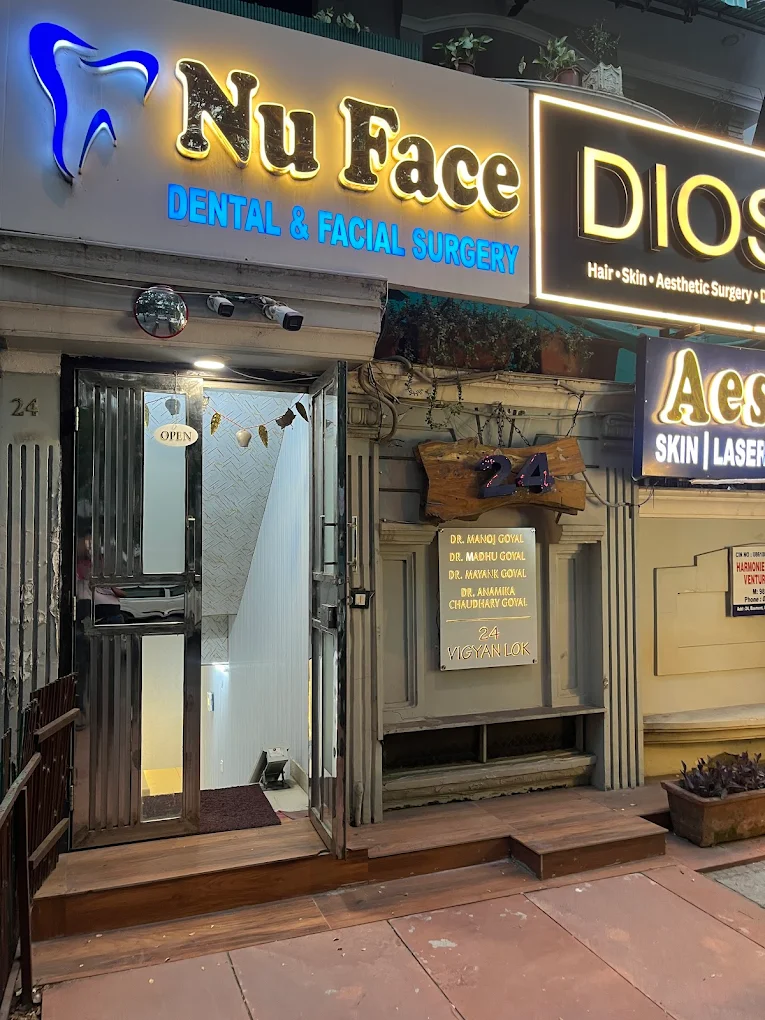
At Nu Face, our approach is to first understand the injury and its impact on facial function. Treatment recommendations should be based on the fracture pattern, symptoms, examination findings, and individual needs.
Your specialist will ask how the injury occurred, when it happened, and what symptoms appeared afterward. Your facial movement, bite, sensation, swelling, and other relevant areas may also be examined.
Imaging may be recommended when a fracture is suspected or when the injury requires a clearer view of the facial bones.
Bring any emergency-room reports, previous scans, dental records, and details of treatment already received.
Pain, swelling, bruising, numbness, changes in facial shape, altered bite, difficulty opening the mouth, or vision problems can be warning signs. A professional examination and imaging may be needed to confirm a fracture.
Yes, some stable fractures can heal with non-surgical management. However, displaced or unstable fractures, or those affecting important functions, may require surgical treatment.
Recovery varies depending on the bone involved, severity of the fracture, treatment method, and individual healing. Your specialist can give you a more realistic timeline after assessing the injury.
A facial injury does not have to look dramatic to deserve medical attention. If you notice persistent pain, numbness, altered bite, restricted movement, or changes in your appearance after an accident, get it evaluated.
If you are searching for Facial Fracture Treatment in Preet Vihar, consult Nu Face for a proper assessment. The priority should be restoring safe function, protecting facial structures, and choosing the least invasive treatment that is appropriate for your injury.
| Tags: | #Facial Fracture Treatment in South Extension, # Facial Fracture Treatment in Gk 1 , #Facial Fracture Treatment in Gk 2 , #Facial Fracture Treatment in East of Kailash |


