

A road accident, sports injury, or unexpected fall can leave your jaw sore and swollen. You may be able to talk and drink, so it is tempting to assume that nothing serious has happened.
But a fractured jaw can sometimes be difficult to recognize without proper assessment. Changes in your bite, difficulty opening your mouth, loose teeth, or facial swelling can all point to an underlying problem.
One of the most noticeable signs of a jaw fracture is that your teeth no longer come together the way they normally do.
Other symptoms may include:
Jaw pain or tenderness
Swelling around the jaw
Difficulty chewing
Difficulty opening or closing the mouth
Loose or damaged teeth
Bleeding inside the mouth
Numbness around the lower lip or chin
Facial bruising
A change in the shape of the jaw
Pain when speaking or swallowing
A jaw injury accompanied by breathing difficulty or significant bleeding requires urgent medical attention.
The jaw is involved in speaking, chewing, swallowing, and maintaining your normal bite. A fracture that is not properly aligned can affect these functions as it heals.
A maxillofacial specialist can examine your jaw and surrounding structures and recommend imaging when necessary. This helps determine the location and severity of the fracture and whether the bones have shifted.
A stable fracture with good alignment may sometimes be managed with non-surgical care and close monitoring.
If the bones have moved significantly, the bite has changed, or the fracture is unstable, surgical treatment may be considered to restore alignment and stability. The specific approach depends on the fracture and the patient's individual circumstances.
The objective is not simply to “fix the bone.” It is to restore function, alignment, and healing as safely as possible.
We have seen patients who initially focused on pain and swelling after an accident but did not notice that their bite had changed. During specialist assessment, that change became an important clue that the jaw needed further evaluation.
Once the injury was properly assessed, treatment could be planned around restoring normal jaw function rather than simply controlling discomfort.
That is why we encourage patients not to judge the seriousness of a jaw injury solely by how much it hurts.
Some patients believe that getting surgery immediately must always produce a better result. That is not necessarily true.
If a fracture is stable and appropriately aligned, surgery may not be needed. But if a fracture is displaced or affecting function, avoiding necessary treatment can create longer-term problems.
The best approach is to let the fracture pattern and clinical findings—not fear or assumptions—guide the decision.
The World Health Organization reported in 2024 that road traffic crashes cause approximately 1.19 million deaths globally each year, with millions more people experiencing non-fatal injuries.
Facial and jaw injuries can occur during these events, which makes appropriate assessment particularly important after significant trauma.
Depending on the injury, specialist care may include:
Mandibular fracture treatment
Jaw trauma assessment
Facial fracture management
Dental trauma evaluation
Bite and jaw alignment assessment
Surgical fracture fixation
Post-injury jaw rehabilitation
Facial reconstruction
Complicated oral and maxillofacial trauma
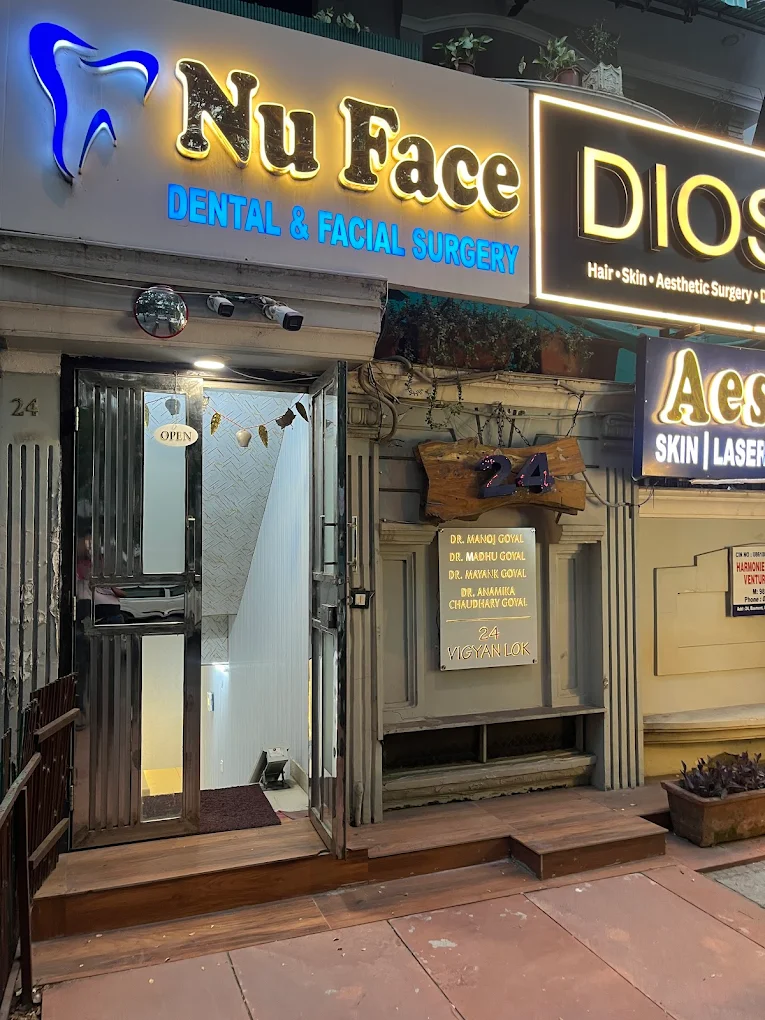
At Nu Face, we focus on understanding the injury before deciding on treatment. Our approach is to consider the patient's symptoms, examination findings, imaging, jaw function, and overall needs.
Explain exactly how the injury happened and when it occurred. Mention any changes in your bite, numbness, swelling, bleeding, difficulty chewing, or restricted jaw movement.
The specialist may examine your teeth, bite, jaw movement, facial symmetry, and areas of tenderness. Imaging may be recommended to understand the fracture more clearly.
If you have already visited an emergency department, bring your reports and scans with you.
Recovery can involve dietary changes, careful oral hygiene, medication, follow-up visits, and restrictions on activities depending on the treatment.
Even after the initial fracture is treated, follow-up is important to ensure healing is progressing correctly and jaw function is returning as expected.
Do not return to contact sports or strenuous activities until your treating specialist says it is safe.
Some fractures can be managed without surgery when they are stable and properly aligned. More complicated or displaced fractures may require surgical treatment.
It can range from a relatively stable injury to a serious fracture affecting the bite, nerves, teeth, or surrounding facial structures. The seriousness can only be properly assessed after examination.
Seek medical assessment, particularly after significant trauma. Avoid putting unnecessary pressure on the jaw and follow the emergency team's instructions. Breathing problems, severe bleeding, or major facial trauma require urgent emergency care.
A jaw fracture is not something you should diagnose at home based on swelling or pain alone. The way your teeth meet and the way your jaw moves can provide important clues.
If you are searching for Jaw Fracture Treatment in South Extension, consult Nu Face for a specialist evaluation. Early assessment can help determine the appropriate treatment and support a safer path toward restoring normal jaw function.
| Tags: | #Jaw Fracture Treatment in South Extension, # Jaw Fracture Treatment in Gk 1 , #Jaw Fracture Treatment in Gk 2 , #Jaw Fracture Treatment in East of Kailash |


