

You lost a tooth months ago and have become used to chewing on one side. Maybe you avoid certain foods, cover your mouth while laughing, or simply do not like the gap when you look in the mirror.
A missing tooth is not only a cosmetic concern. It can also affect chewing, speech, bite balance, and the surrounding teeth. Dental Implants Treatment in Civil Lines may be an option when you want a more stable, long-term way to replace a missing tooth.
When a tooth is lost, the bone that once supported its root can gradually change. Nearby teeth may also shift into the empty space, potentially affecting your bite.
A dental implant is designed to replace the missing tooth root. A replacement tooth is then attached to the implant after the appropriate healing and treatment stages.
However, implants are not automatically the right choice for everyone.
A consultation may be useful if you have:
One or more missing teeth
Difficulty chewing because of missing teeth
A loose or uncomfortable removable denture
A damaged tooth that cannot be saved
Gaps affecting your confidence
Teeth that have shifted after tooth loss
Your oral health, jawbone condition, gum health, and general health all matter when assessing suitability.
A dental implant needs adequate bone support. If the jawbone has reduced after tooth loss, additional procedures may sometimes be considered before or alongside implant placement.
This is why a proper assessment should come before deciding on an implant.
Unlike a removable denture, an implant is anchored into the jawbone. Once the treatment has healed and the replacement tooth is fitted, it can provide a stable foundation for everyday chewing.
Implants can also help maintain the space created by a missing tooth and support a more natural-looking smile.
But “permanent” does not mean “maintenance-free.” Good oral hygiene and regular dental care remain important.
We have seen patients who delayed replacing a missing tooth because they had learned to live with the gap. Later, they noticed changes in chewing and movement of nearby teeth.
After an assessment, the focus shifted from simply filling the visible gap to looking at the overall bite and available bone support. That is an important lesson: tooth replacement should consider the whole mouth, not just the empty space.
Dental implants are highly useful, but we do not believe every missing or damaged tooth should immediately lead to an implant discussion.
If a natural tooth can be predictably saved, preserving it may be worth considering. An implant is a replacement for a lost tooth—not necessarily the first solution for every dental problem.
The right decision starts with an examination and a discussion of all reasonable options.
The American College of Prosthodontists has estimated that more than 178 million Americans are missing at least one tooth, illustrating the large scale of tooth loss and the continuing need for effective replacement options.
While this figure relates to the U.S. population, it reflects a broader dental reality: missing teeth are common, and modern dentistry offers several ways to address them.
Depending on your needs, implant-focused treatment may include:
Single-tooth implants
Multiple dental implants
Implant-supported bridges
Implant-supported dentures
Replacement of severely damaged teeth
Bone assessment before implant placement
Implant restoration
Treatment planning for complex tooth loss
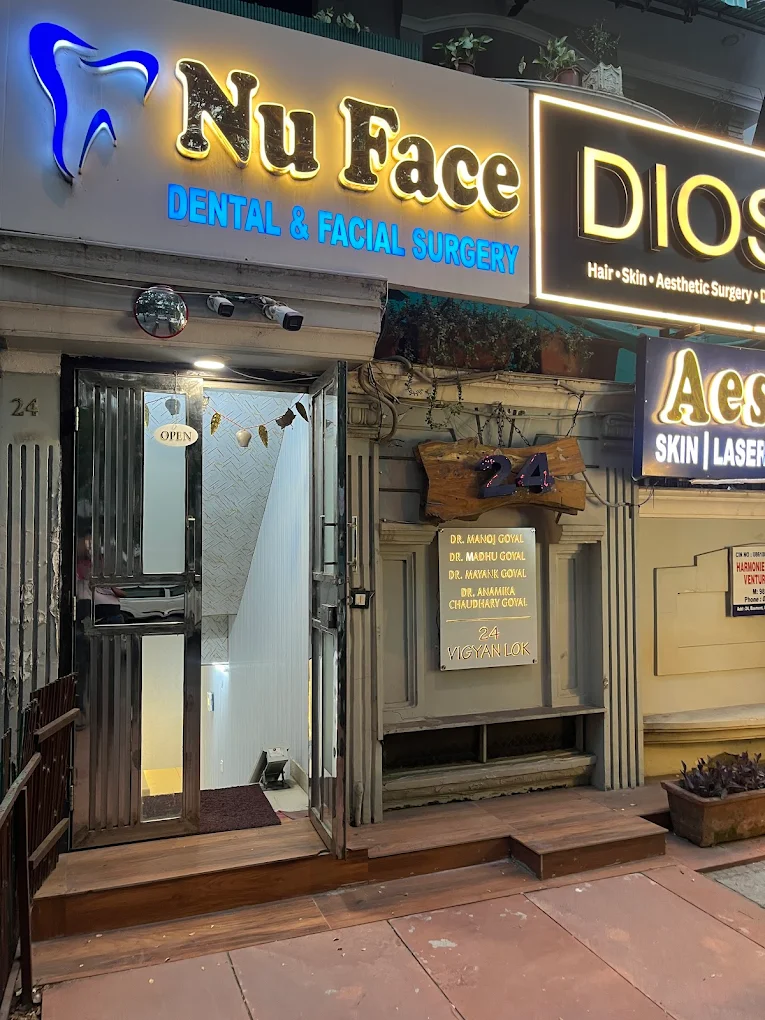
At Nu Face, we believe implant treatment should begin with diagnosis and planning rather than simply choosing an implant because it is popular.
Your specialist may examine your teeth, gums, bite, jawbone, and overall oral condition. Imaging may also be recommended to assess the bone and plan treatment accurately.
You can ask about the number of appointments, healing time, expected costs, alternatives, possible complications, and long-term maintenance.
Understanding the complete process can make the decision much easier.
Dental implant treatment often involves multiple stages. After implant placement, the area needs time to heal before the final replacement tooth is attached, depending on your individual treatment plan.
During recovery, following your specialist's instructions about eating, cleaning, and activity can support proper healing.
The procedure is performed with appropriate anaesthesia, so you should not feel the surgical procedure itself. Some soreness, swelling, or discomfort can occur afterward and is generally managed according to your clinician's instructions.
Implant longevity varies depending on oral hygiene, bone and gum health, lifestyle, overall health, and regular dental care. Proper maintenance is important for long-term success.
Neither option is universally better. Implants can provide greater stability, while dentures may be suitable for patients who prefer or require a removable option. Your oral condition and treatment goals should guide the decision.
A missing tooth can gradually influence how you chew, speak, and use the rest of your mouth. That does not mean you need an implant immediately—but it does mean the situation deserves proper evaluation.
If you are considering Dental Implants Treatment in Civil Lines, speak with the team at Nu Face. Get your teeth, gums, bite, and bone assessed first, then choose a replacement option based on your actual needs.
| Tags: | #Dental Implants Treatment in South Extension, # Dental Implants Treatment in Gk 1 , #Dental Implants Treatment in Gk 2 , #Dental Implants Treatment in East of Kailash |


