

You feel a dull ache at the very back of your mouth. At first, it comes and goes, so you ignore it. Then the gum becomes swollen, chewing becomes uncomfortable, and opening your mouth feels harder than usual.
It could be a wisdom tooth causing trouble. Wisdom Teeth Removal in Ashok Vihar can be considered when a wisdom tooth is impacted, repeatedly infected, damaged, or creating problems for the surrounding teeth and gums.
Wisdom teeth are the last molars to develop, usually appearing during the late teens or early adulthood. Some grow normally and remain healthy, while others become trapped or grow at an angle because there is not enough room.
A wisdom tooth that is healthy, functional, properly positioned, and easy to clean may not need to be removed.
The decision should be based on its condition—not simply its presence.
Watch for:
Pain at the back of the mouth
Swollen or tender gums
Repeated gum infections
Food getting trapped around the tooth
Bad taste or unpleasant breath
Difficulty opening your mouth
Pain while chewing
Damage to the neighbouring tooth
Repeated discomfort in the same area
Persistent swelling, severe pain, fever, or difficulty swallowing should be assessed promptly.
An impacted wisdom tooth is one that cannot properly emerge into its normal position. It may remain partly covered by gum or grow sideways toward another tooth.
This can make cleaning difficult and may increase the chance of inflammation, infection, decay, or damage to nearby structures.
An examination and dental imaging can help determine how the tooth is positioned.
The idea of wisdom tooth surgery can make patients nervous. Some imagine a complicated procedure before they have even been examined.
In reality, the difficulty of removal varies considerably from one person to another. The position of the tooth, its roots, surrounding bone, and other factors determine how straightforward the procedure may be.
A specialist can explain what is involved in your specific case instead of giving you a generic answer.
We have seen patients repeatedly manage wisdom tooth pain with temporary medication because the symptoms disappeared between episodes. Eventually, recurring swelling or difficulty chewing pushed them to seek a proper assessment.
The important lesson is that temporary relief does not necessarily mean the underlying problem has disappeared. If the same wisdom tooth keeps causing trouble, it deserves evaluation.
Some people believe every wisdom tooth should be removed as soon as it appears. That is too simplistic.
If a wisdom tooth is healthy, properly positioned, functional, and can be kept clean, removal may not be necessary. On the other hand, repeated infections or damage to nearby teeth can make removal a sensible option.
The goal should be appropriate treatment, not automatic extraction.
The American Association of Oral and Maxillofacial Surgeons notes that impacted wisdom teeth are common and that evaluation helps determine whether treatment is needed.
That is why an individual assessment is more useful than relying on what happened to a friend, sibling, or colleague.
Specialist care may include:
Impacted wisdom tooth assessment
Simple wisdom tooth extraction
Surgical wisdom tooth removal
Partially erupted wisdom teeth
Recurrent gum infection around wisdom teeth
Difficult or deeply positioned wisdom teeth
Assessment of nearby tooth damage
Post-extraction care
Complex oral surgery
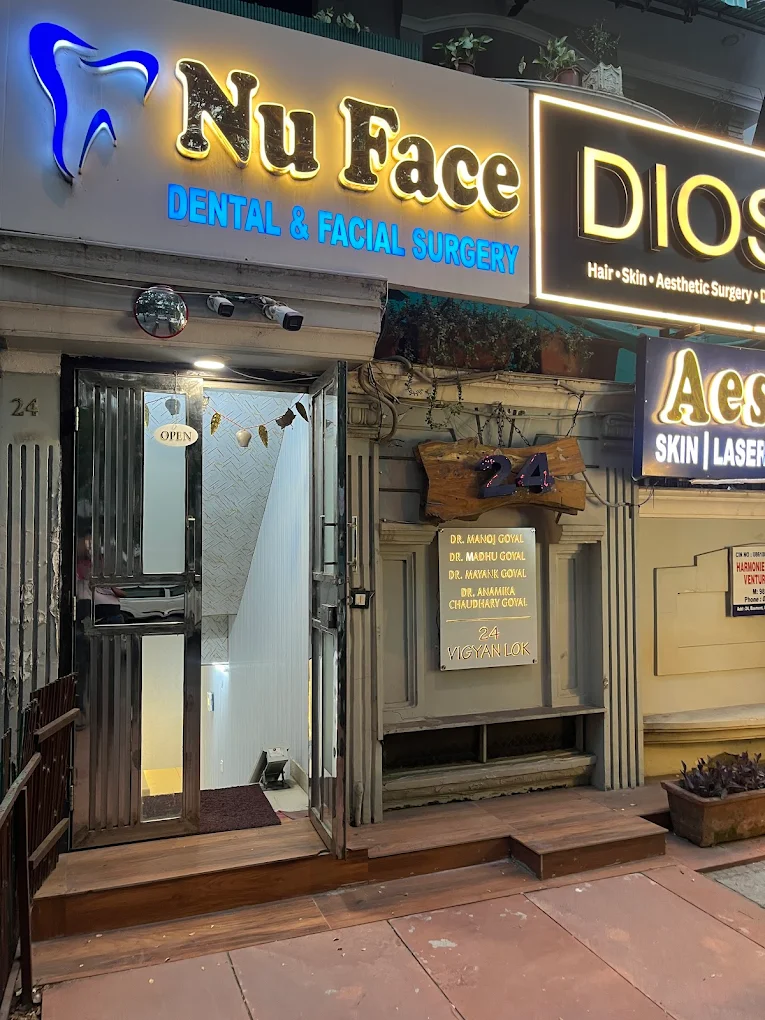
At Nu Face, we focus on the position and condition of the tooth before recommending removal. The aim is to make the treatment decision based on your actual dental situation.
Tell your specialist how often the pain occurs, whether the gum swells, whether food gets trapped, and whether you have difficulty opening your mouth.
An examination and appropriate imaging can show the position of the wisdom tooth and its relationship with nearby teeth and structures.
You should also ask about the expected procedure, recovery, possible complications, and aftercare.
After removal, some swelling, soreness, or discomfort can occur. Your specialist will provide specific instructions about cleaning the area, eating, medication, and activity.
Following these instructions carefully can help support a smoother recovery.
No. A healthy, properly positioned wisdom tooth that causes no problems may not require removal. Your dentist or oral and maxillofacial specialist can assess whether monitoring or extraction is appropriate.
The procedure is performed using appropriate anaesthesia. Some discomfort and swelling may occur during recovery, but your clinician can explain how this will be managed.
Recovery varies depending on the complexity of the extraction and the individual. Many people experience the greatest swelling and discomfort during the first few days, followed by gradual improvement.
If your wisdom tooth repeatedly becomes painful, swollen, or difficult to clean, don't keep treating every episode as an isolated problem.
If you are considering Wisdom Teeth Removal in Ashok Vihar, consult Nu Face for an assessment. The right decision may be removal—or simply monitoring—but you should make that decision after understanding the tooth's position and condition.
| Tags: | #Wisdom Teeth Removal in South Extension, # Wisdom Teeth Removal in Gk 1 , #Wisdom Teeth Removal in Gk 2 , #Wisdom Teeth Removal in East of Kailash |


