

| Category | TM Joint Arthroscopy |
The Temporomandibular Joint (TMJ) is one of the most important joints in the body, connecting the lower jaw to the skull and enabling essential functions such as chewing, speaking, and mouth opening. When this joint becomes inflamed, damaged, or dysfunctional, it can lead to persistent pain, jaw locking, clicking sounds, restricted mouth opening, and difficulty performing everyday activities.
If you are looking for expert TM Joint Arthroscopy in Anand Vihar, Dr. (Prof.) Manoj Goyal offers advanced diagnostic and surgical solutions for the management of TMJ disorders. With more than 30 years of experience in Oral and Maxillofacial Surgery and specialized training in TM Joint procedures, he provides comprehensive care focused on restoring joint function and improving quality of life.
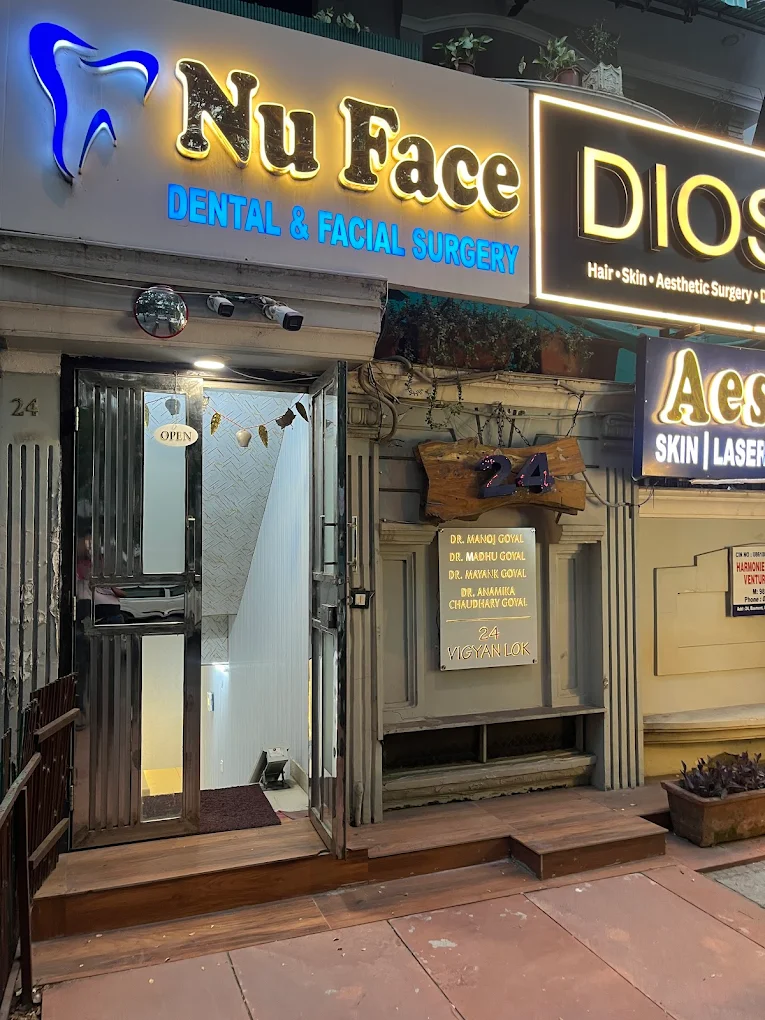
At Nuface Nu Face, we utilize modern techniques and evidence-based treatment protocols to effectively manage TMJ disorders while minimizing discomfort and recovery time.
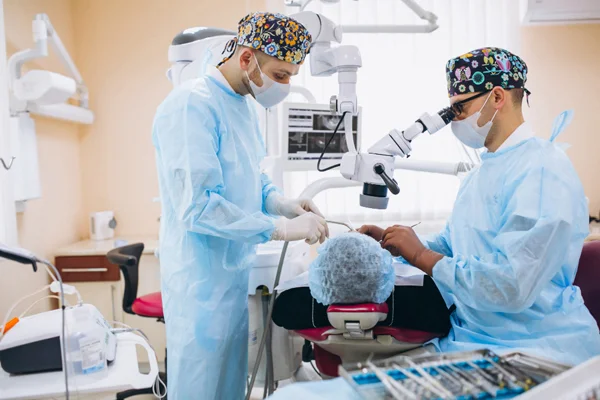
TM Joint Arthroscopy is a minimally invasive surgical procedure used to diagnose and treat disorders affecting the temporomandibular joint. The procedure involves inserting a small arthroscope (a specialized camera) into the joint through tiny incisions, allowing the surgeon to visualize internal structures and perform corrective treatments with precision.
Unlike traditional open joint surgery, arthroscopy offers a less invasive approach with smaller incisions, reduced tissue trauma, and faster recovery.
TM Joint Arthroscopy may be used to:
TM Joint Arthroscopy may be recommended for patients experiencing:
A detailed evaluation helps determine whether arthroscopy is the most appropriate treatment option.
Small incisions result in less tissue damage and improved patient comfort.
The procedure helps relieve symptoms associated with TMJ disorders.
Many patients experience better jaw movement and mouth opening after treatment.
Compared to traditional open surgery, arthroscopy generally allows quicker healing.
Direct visualization of the joint enables precise diagnosis and treatment.
Most patients benefit from shorter treatment and recovery periods.
Relief from chronic pain and jaw dysfunction improves daily activities and overall well-being.
Management of disc displacement and abnormal joint mechanics.
Treatment of persistent pain affecting jaw movement and function.
Correction of conditions causing restricted jaw opening or closing.
Removal of scar tissue and adhesions interfering with normal movement.
Management of inflammation affecting the temporomandibular joint.
Treatment aimed at improving overall joint performance and comfort.
Dr. Manoj Goyal performs a comprehensive evaluation of symptoms, jaw function, and medical history.
Advanced imaging studies may be recommended to assess the joint structures accurately.
A specialized arthroscope is inserted into the joint through small access points, allowing diagnosis and treatment of the affected area.
Patients receive detailed guidance regarding recovery, exercises, and follow-up care.
Recovery following TM Joint Arthroscopy is generally faster than traditional open surgery.
Patients are advised to:
Most patients experience gradual improvement in pain, movement, and overall jaw function.
Extensive expertise in Oral and Maxillofacial Surgery and TMJ disorder management.
Advanced training in TM Joint surgery and arthroscopic procedures.
Focus on modern techniques that reduce recovery time and improve outcomes.
Detailed diagnosis and personalized treatment planning for every patient.
Evidence-based treatment protocols aligned with global best practices.
Dedicated support and follow-up throughout the treatment journey.
TM Joint Arthroscopy is an effective minimally invasive solution for many patients suffering from chronic TMJ disorders, jaw pain, restricted movement, and joint dysfunction. The procedure offers precise diagnosis, targeted treatment, and faster recovery compared to traditional surgical approaches.
For expert TM Joint Arthroscopy in Anand Vihar, Dr. (Prof.) Manoj Goyal provides advanced care tailored to each patient's needs, helping restore comfortable jaw function and improve overall quality of life.
TM Joint Arthroscopy is a minimally invasive procedure used to diagnose and treat disorders of the temporomandibular joint.
The procedure is performed under appropriate anesthesia, and post-operative discomfort is generally manageable.
Recovery varies among patients, but most individuals experience faster healing compared to open joint surgery.
Patients with persistent TMJ pain, jaw locking, restricted movement, or joint dysfunction may benefit from the procedure.
Yes, the procedure is often performed to improve jaw function, reduce pain, and enhance overall joint mobility.


